From Ancient Origins to Modern Practice
What exactly is Reiki? At its core, Reiki is an ancient Japanese energy healing technique that has gained immense popularity worldwide as a method for supporting physical, emotional, and spiritual well-being. The name “Reiki” is derived from two Japanese words: “Rei,” meaning the universal, omnipresent energy that surrounds us, and “Ki,” which refers to the individual life force energy within each of us. While Reiki as we know it today is a structured system, practices involving energy manipulation have existed for thousands of years, mirroring concepts like the Chinese Qi or the Hindu Prana.
The Awakening of Mikao Usui
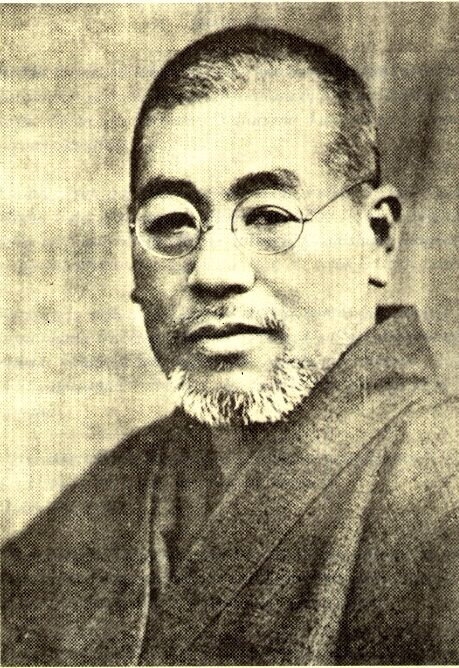
The modern form of Reiki was developed in the early 20th century by a Japanese teacher named Mikao Usui, born on August 15, 1865, in the village of Taniai. Legend has it that Usui was on a profound quest to discover how spiritual figures like Jesus and Buddha were able to heal the sick.
During his spiritual search, Usui traveled to Mount Kurama, where he fasted and meditated for 21 days. At the end of this period, he experienced a mystical revelation. The Reiki energy descended upon him, granting him the knowledge and ability to heal—an experience often compared to the Holy Spirit descending upon the apostles in Christian tradition.
Following this profound awakening, Usui began to practice and teach Reiki, eventually establishing a school in Kyoto. He developed a system of channeling energy through the laying on of hands, which became the fundamental basis of modern Reiki.
The Lineage and Global Spread
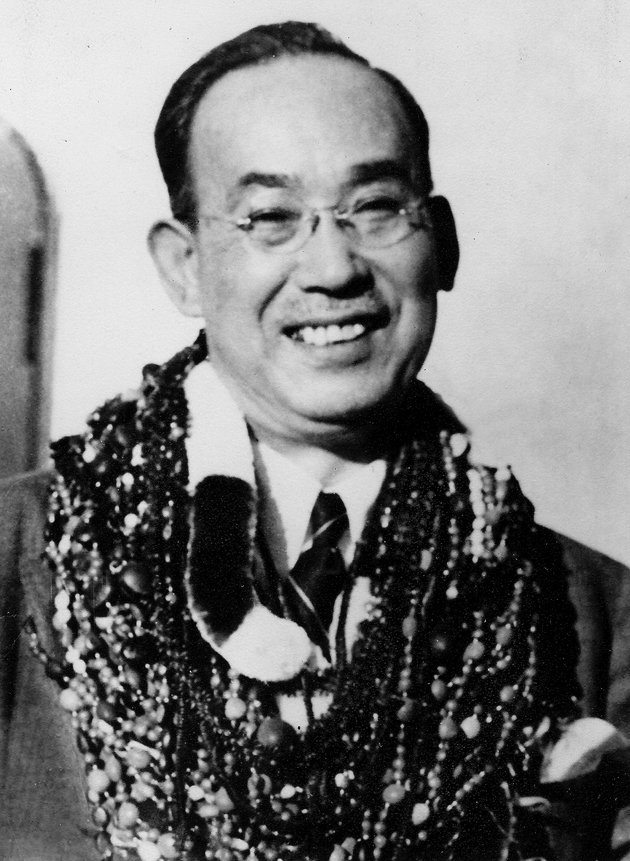
After Mikao Usui passed away in 1926, his teachings were carried on by his devoted students, most notably Chujiro Hayashi. Hayashi opened his own Reiki clinic in Tokyo and introduced a more structured approach to the practice, creating specific systems of hand positions and healing symbols.
The person responsible for bringing Reiki to the West was Hawayo Takata, a Hawaiian woman of Japanese descent and a student of Chujiro Hayashi. During a visit to Japan, Takata fell severely ill and was admitted to Hayashi’s clinic, where she experienced the profound healing power of Reiki firsthand. After fully recovering, she dedicated herself to the practice, eventually becoming a Reiki Master and bringing the teachings to the United States.
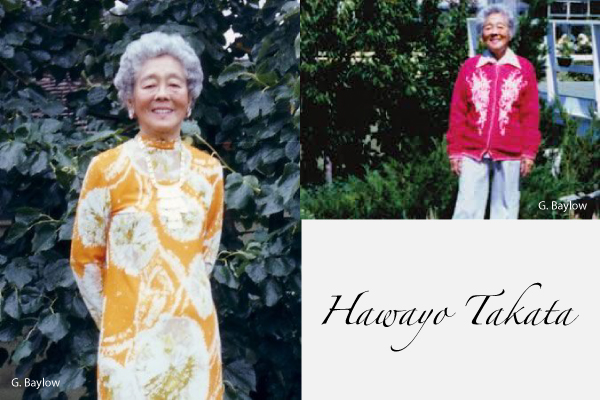
Thanks to Takata’s dedication, Reiki first flourished in North America before spreading to Europe and the rest of the world. Interestingly, Reiki is not as uniquely prominent in Japan itself, as it exists alongside many other traditional energy healing systems.
A Philosophy for Life: The Five Principles (Gokai)
Reiki is not tied to any specific religion and can be practiced by anyone, regardless of their faith or beliefs. More importantly, it is not merely a healing technique, but a complete philosophy of life and a mindful approach to everyday challenges.
At the heart of this philosophy are the Gokai, or the Five Reiki Principles, designed to help practitioners achieve inner peace and balance, which are essential for both healing and spiritual growth:
- Just for today, I will not worry.
- Just for today, I will not be angry.
- Just for today, I will do my work honestly.
- Just for today, I will give thanks for my many blessings.
- Just for today, I will be kind to my neighbor and every living thing.
Modern Practice and Personal Reflection
Today, Reiki is practiced globally to promote wellness, stress reduction, and a healthy lifestyle. In fact, many practitioners emphasize physical purity alongside spiritual practice, often advising initiates to avoid alcohol, coffee, and diets that acidify the body.
While there are many different schools and styles of Reiki today, they all rely on the same foundational transmission of universal life energy through symbols and the laying on of hands. In the modern world, Reiki is widely recognized as a complementary therapy rather than a replacement for conventional medicine. Many Reiki therapists work closely with medical professionals to support patients through their healing processes. While scientific research is still ongoing, countless individuals report highly positive effects, including deep relaxation, improved mood, and accelerated recovery.
The history of Reiki is ultimately a story about the search for harmony and healing. For me personally, it represents a conscious choice of a healthy lifestyle—nurturing both the physical body and the spirit.